
Maderas del Carmen: where science listens to the song of nature
By Hugo Sotelo Gallardo
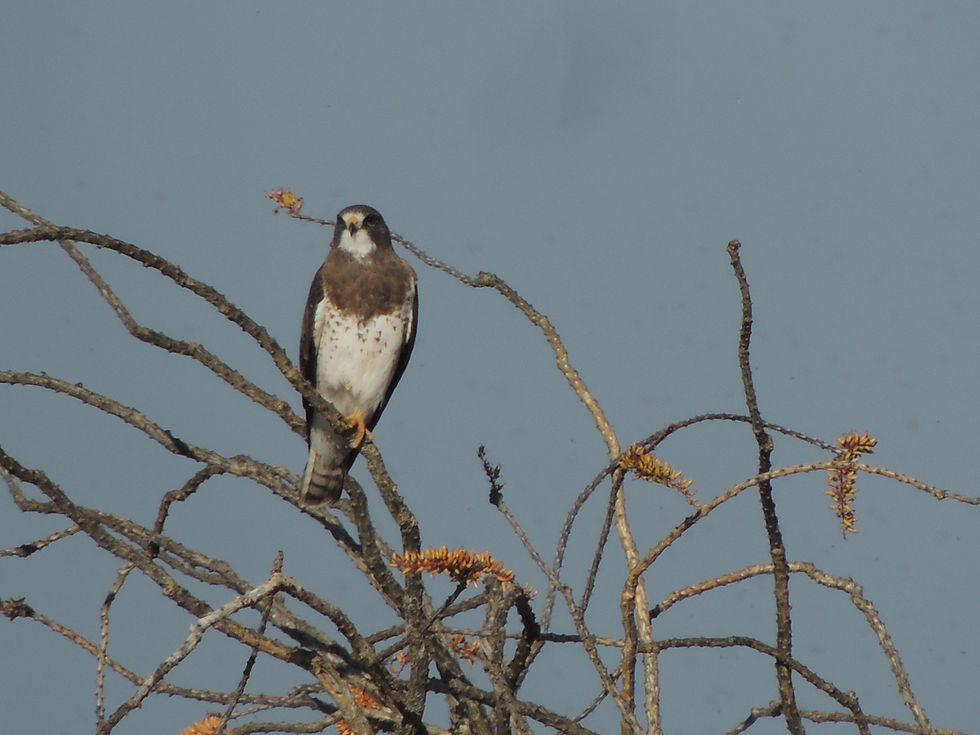

In the heart of the Chihuahuan Desert, Maderas del Carmen has established itself as one of North America's most important natural landscapes for biodiversity conservation. Its privileged location, between the Trans-Pecos region of Texas and the Sierra Madre Oriental mountain range of Mexico, makes it an ecological bridge of international importance, where desert ecosystems, mountain forests, and subtropical environments converge, harboring an extraordinary wealth of birdlife.
However, birds face increasing challenges. Climate change, severe wildfires, and landscape transformations are altering the distribution and abundance of many species. Understanding these changes is essential for designing effective conservation strategies. Nevertheless, monitoring birds across a landscape spanning hundreds of thousands of hectares, with mountains, canyons, and inaccessible areas, presents a significant challenge for traditional research.
At the Maderas del Carmen Museum, an innovative acoustic monitoring program is underway, utilizing Autonomous Recording Units (ARUs) and artificial intelligence tools capable of identifying bird vocalizations. This technology will allow researchers to "listen" to the landscape 24 hours a day, generating unprecedented information on the presence, distribution, abundance, and behavior of bird species throughout the year.
More than just a scientific project, this initiative represents the birth of a binational bird monitoring network that will strengthen collaboration between institutions in Mexico and the United States. Participating in this effort are the Autonomous University of Nuevo León (UANL), Sul Ross University, the Borderlands Research Institute, Rio Bravo Restoration, the National Commission of Protected Natural Areas (CONANP), and the Maderas del Carmen Museum, AC, combining their expertise to understand and protect one of the most important ecological corridors on the continent.
Each recording will represent much more than a bird's song: it will be an essential piece of information for understanding ecosystem health, assessing the effects of climate change, and guiding evidence-based management decisions. The data obtained will also strengthen the conservation of the Big Bend–El Carmen transboundary corridor, one of the best-preserved natural landscapes in North America.
With this initiative, Museo Maderas del Carmen reaffirms its leadership as a world-class natural laboratory, where technological innovation, scientific research, and binational collaboration come together to ensure the future of the birds of the Chihuahuan Desert. Every sound recorded will contribute to writing a new conservation story, demonstrating that protecting nature also means listening to it.



Comments